
Our Work Landing Page
Our work is guided by the Guam Coral Reef Resiliency Strategy, which was developed in 2018 with input from our local and national partnering organizations.

The strategy focuses on 5 main goals:
1. Effective fisheries management
2. Decreased land-based sources of pollution
3. Increased reef response and restoration
4. Sustainable recreational use and tourism
5. Human community resilience and climate change adaptation

This strategy was developed in 2018 by GCRI in collaboration with other partners to enhance the resilience of Guam’s coral reef ecosystems and human communities to the impacts of climate change by 2025. This plan was updated in 2019.
The Guam Coral Reef Initiative is currently developing an updated version of this plan, which will guide activities from 2027-2032.

Areas of work
Coral Reef Restoration
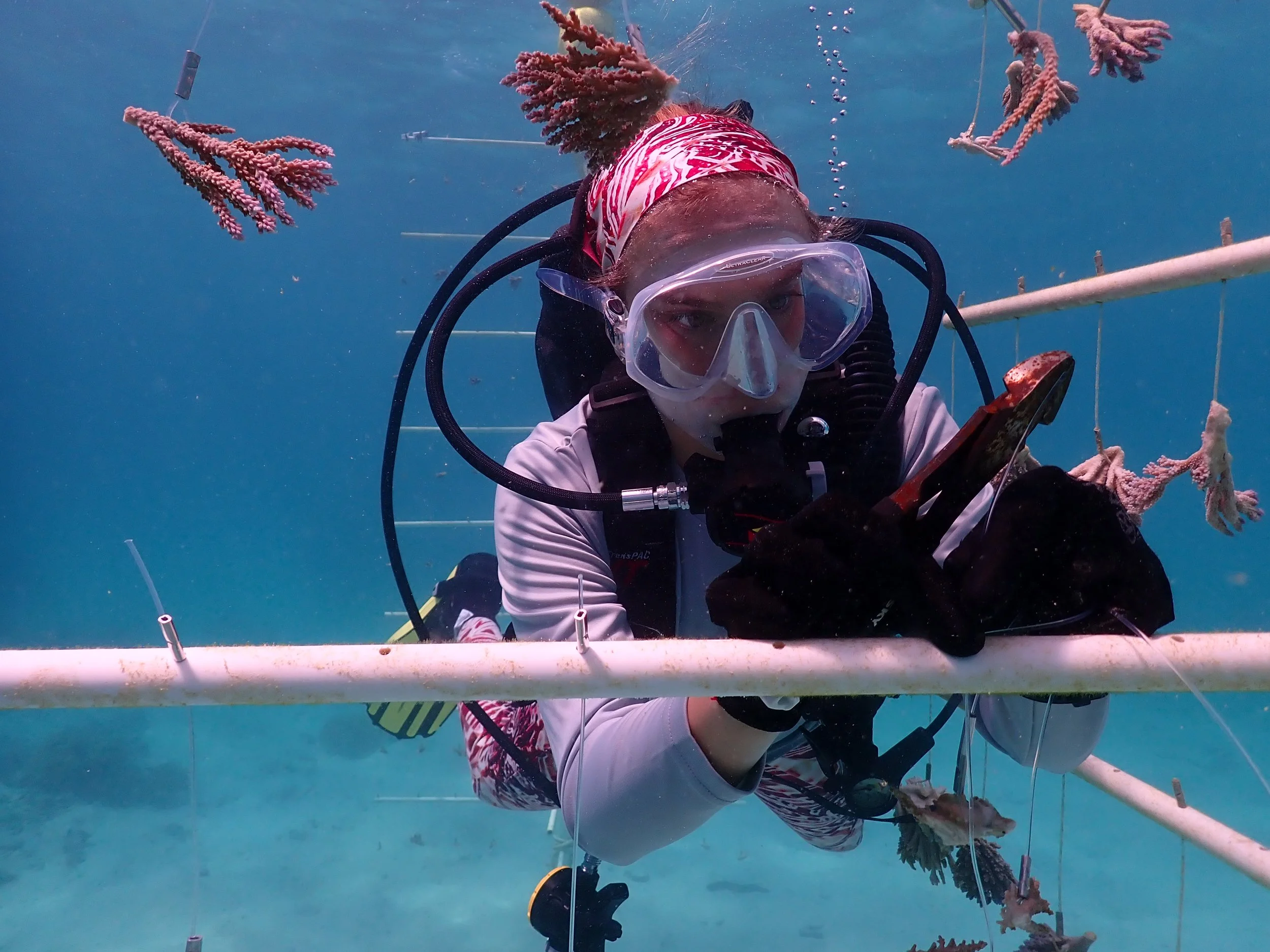
GCRI is actively working to restore Guam’s coral reefs through a process of collecting fragments of wild coral, growing them in an underwater nursery, and outplanting them back on the reef.
Dive Program
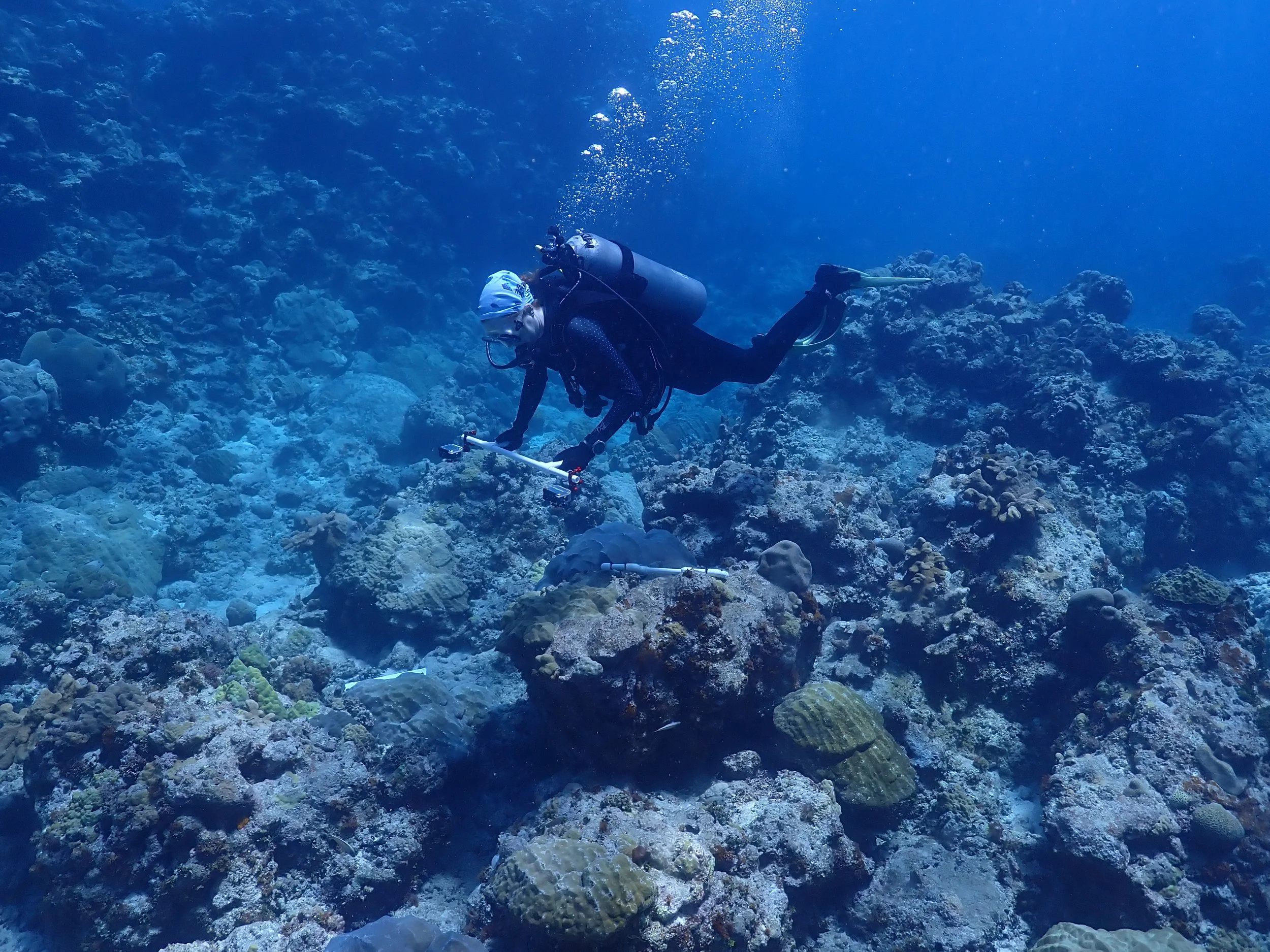
GCRI leads the DAWR scientific SCUBA diving program, which oversees our staff and volunteer divers involved in all scuba diving activities.
Education and Outreach
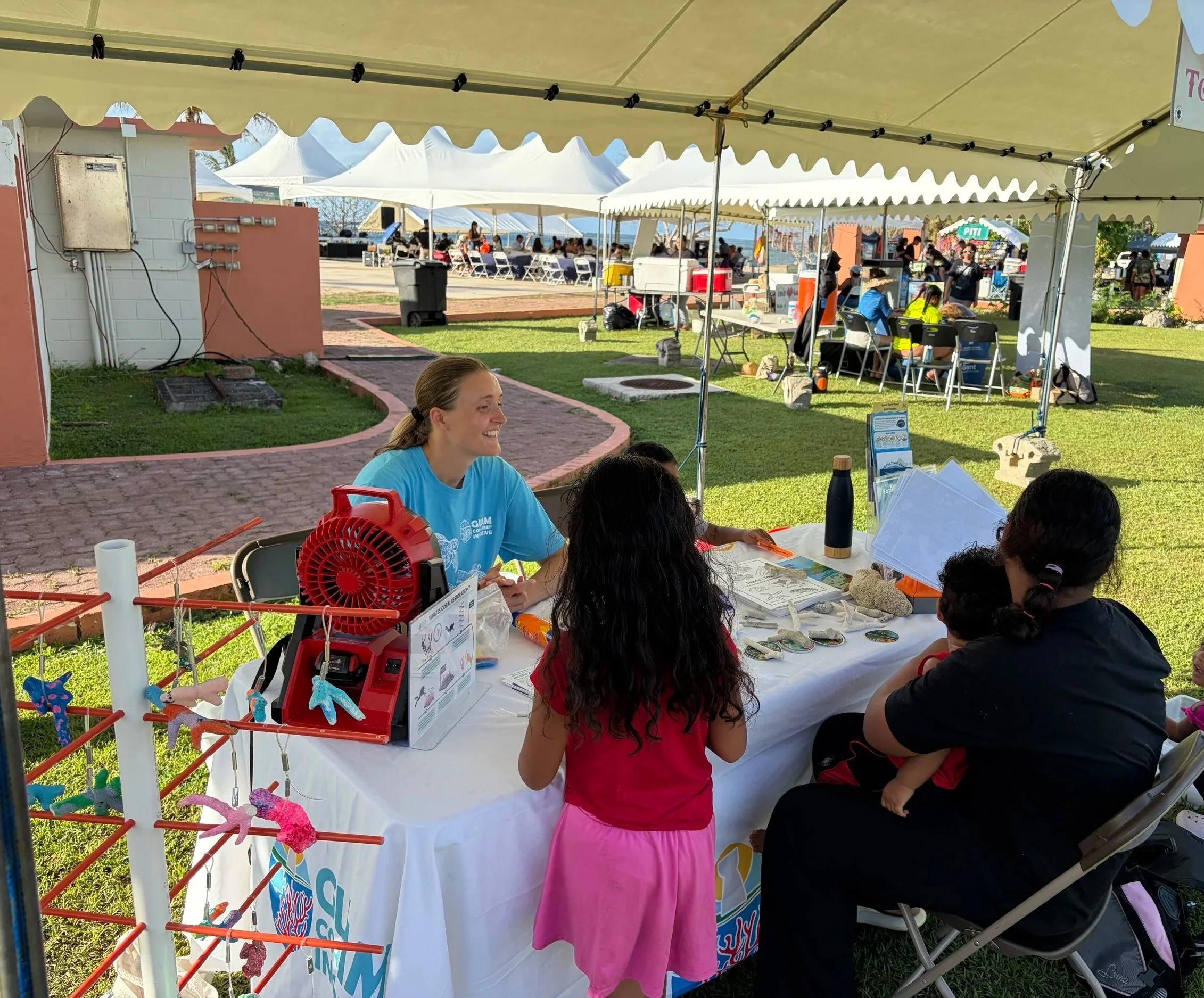
GCRI regularly engages the community in coral reef conservation through education and outreach.
Seagrass and Mangrove Conservation
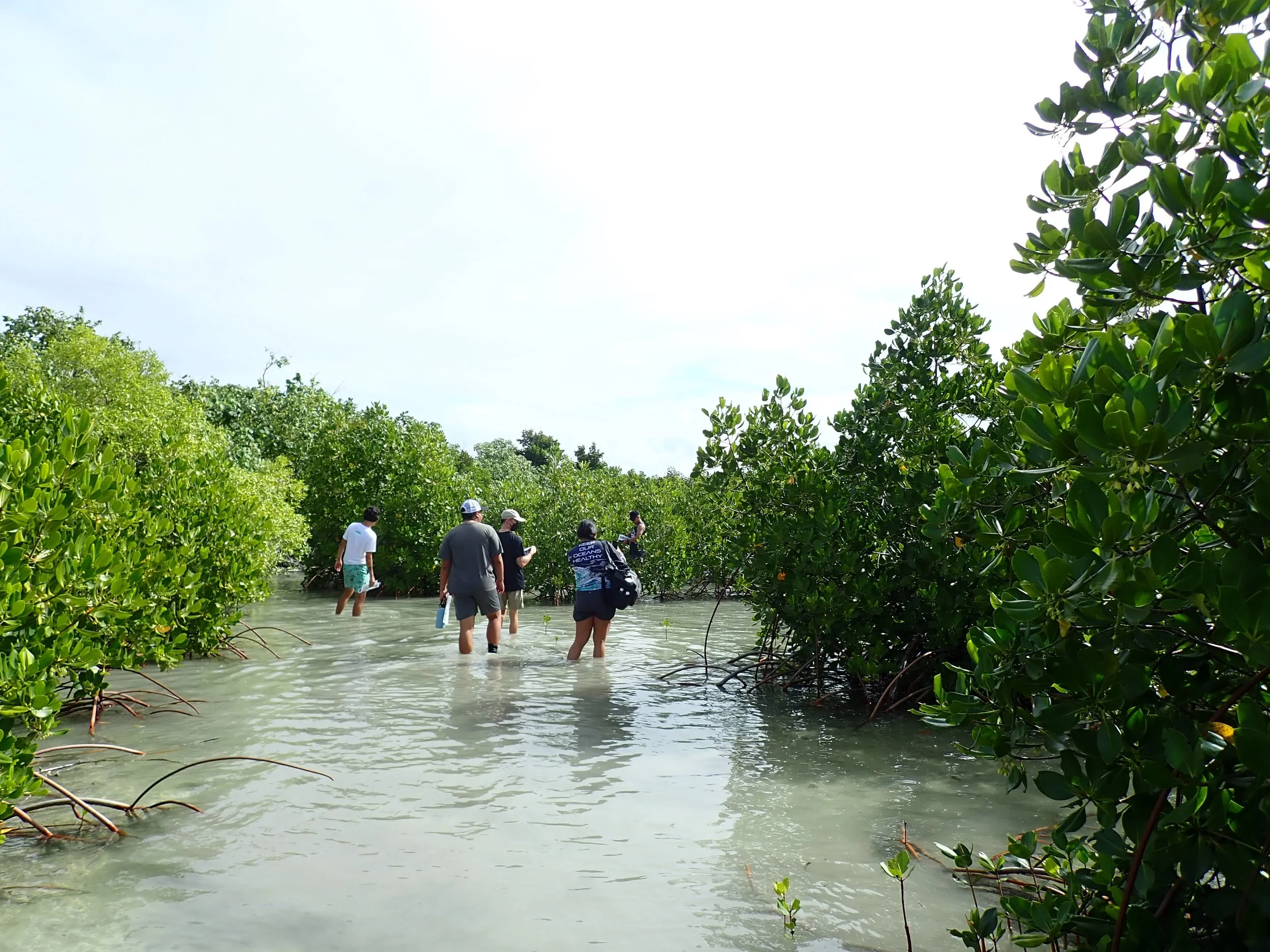
Guam’s seagrass meadows and mangrove forests are connected to coral reefs, and we work to conserve them through education, surveying, and research partnerships.
Reef Disturbance Response
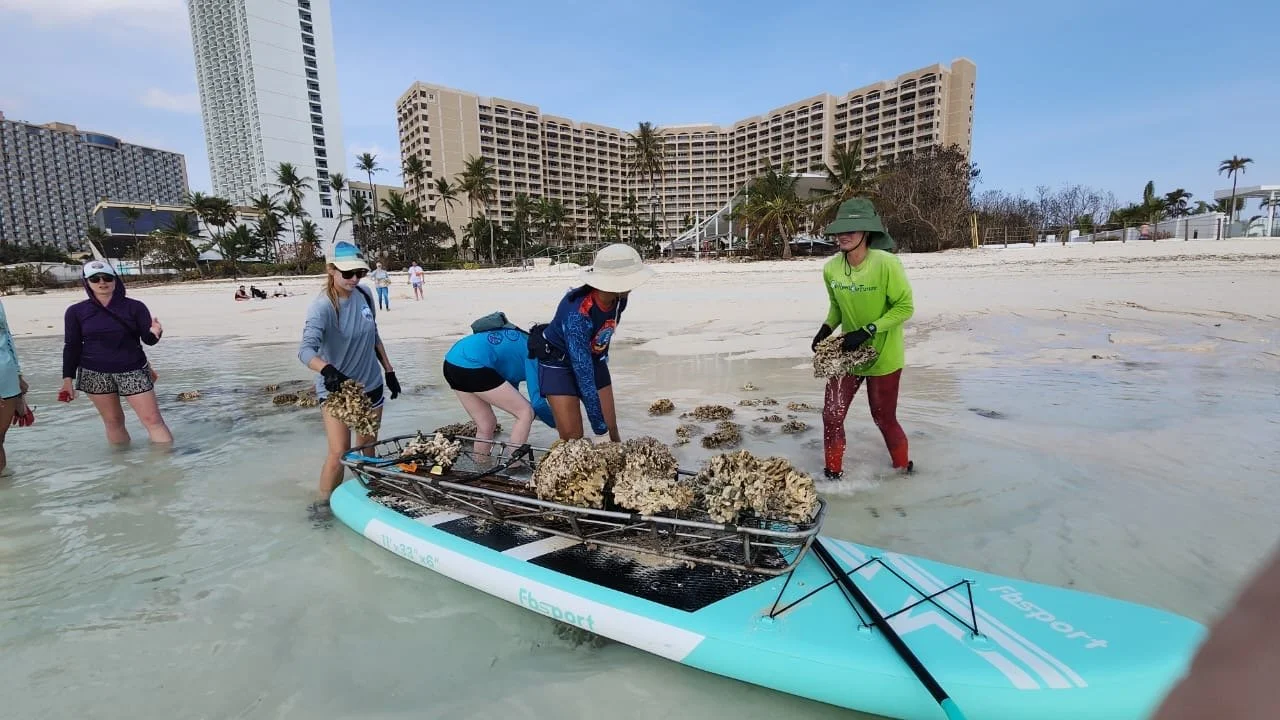
GCRI responds to ecological disturbances and emergencies on coral reefs, including but not limited to: major storm events, coral bleaching/thermal stress, coral disease outbreaks, crown-of-thorns sea star (COTS) outbreaks, ship groundings, anchor damage, and other physical breakage events.
Collaboration and Partnerships
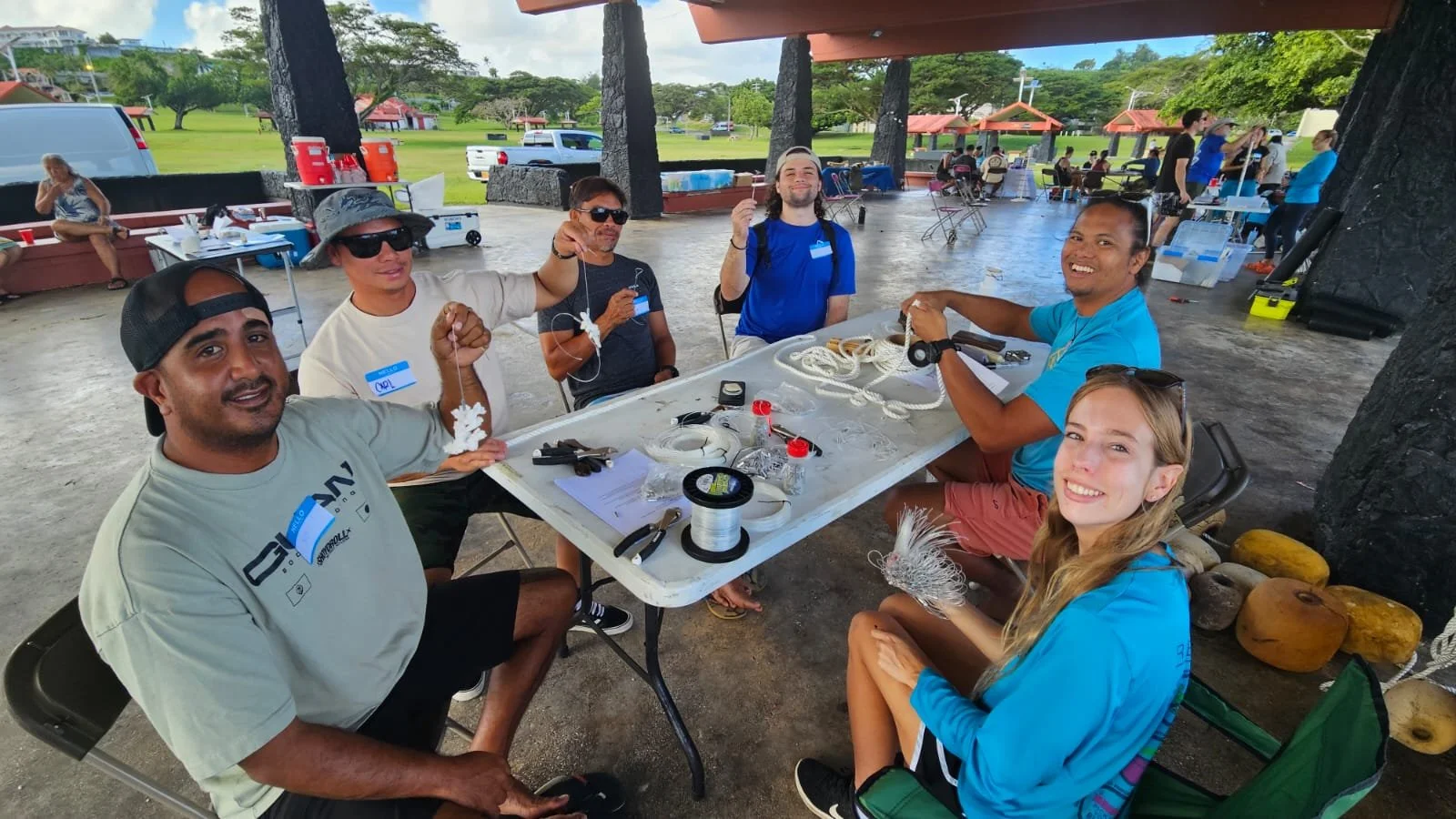
Working with local and off-island partners to harness our collective efforts to preserve Guam’s coral reefs.
Watersheds and Water Quality
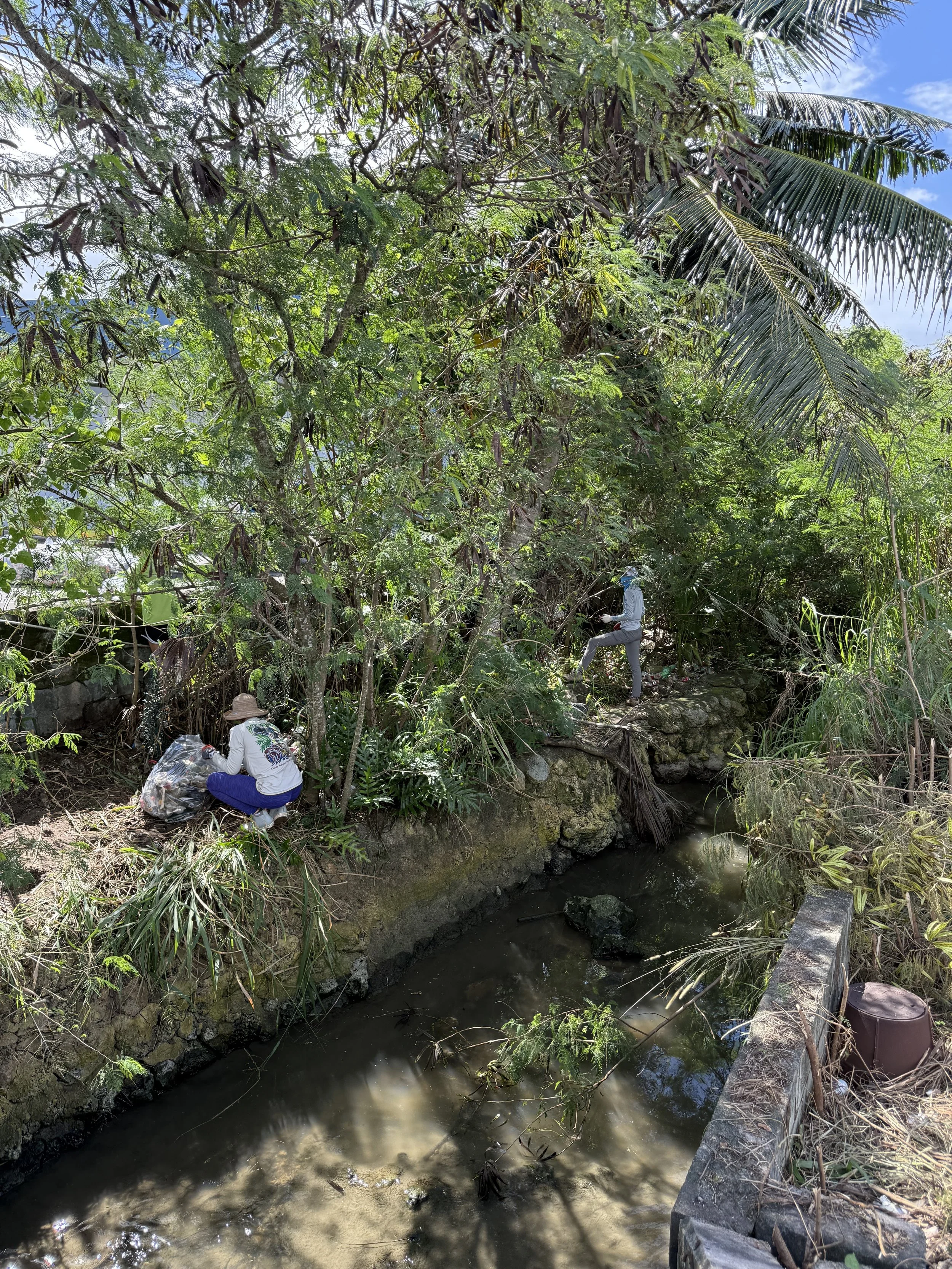
On Guam, everything is connected - from ridge to reef. That’s why our work to protect local reefs also includes protecting upland watersheds and monitoring water quality.
-
Watershed restoration is occurring in Malesso, Merizo, As Gadao, Masso Reservoir, and other sites around Guam. The work is spearheaded by the Guam Department of Agriculture Forestry and Soil Resources Division and is supported by NOAA, the Guam Coral Reef Initiative, the Bureau of Statistics and Plans, and other natural resource managers.
Community members are invited to attend plantings, so keep an eye on our Facebook page for upcoming opportunities!

GCRI is 100% funded by federal grants. Here are the organizations and agencies that currently fund our work:
-
Coral Reef and Natural Resources Program (CRNR)
D22AP00199, D23AP00243, D24AP00362
These grants help fund the Micronesia Challenge, GCRI's Coral Reef Policy & Communications Coordinator, Education & Outreach Coordinator, GCRI staff's participation in the US Coral Reef Task Force, and local partner projects.
Bipartisan Infrastructure Law (BIL)
D24AP00441, D25AP00164
These grants help fund marine biosecurity projects, planning, and staff.
-
Coral Reef Stewardship Fund (CRSF)
80010
This grant funds the Piti-Asan Watershed Management Plan revamp that GCRI staff are working on.
National Coastal Resilience Fund (NCRF)
83633
This grant funds GCRI's coral restoration staff, supplies to start our coral nursery, restoration projects with partners, the GCRI truck, and Friends of Fisheye, a new local nonprofit.
-
Pacific Islands Capacity Grant
NA20NMF4630328
This grant funds our continued coral restoration work.
-
Coral Reef Conservation Program (CRCP)
NA21NOS4820018, NA23NOS4820147, NA25NOSX482G0009-T1-01
These grants fund GCRI staff positions: the Watershed Management Coordinator, Program Manager, Education and Outreach Coordinator, Seagrass and Mangrove Coordinator, and Coral Restoration and Response Coordinator; the Guam Governor's participation in the US Coral Reef Task Force; GCRI's education and outreach projects; and partner projects like the Micronesia Challenge, the Guam Long-Term Monitoring Program, and Friends of Reefs youth fishing training.
-
Readiness and Environmental Protection Integration (REPI)
N40192-23-2-8002
This grant funds watershed management activities.
Past Programs and Projects
-

Hotels FOR Guam
Hotels FOR Guam was a partnership between BSP, NOAA, FOR Guam, and GHRA piloting seven hotels in Tumon Bay to reduce the impacts of tourism and recreational use on Guam’s coral reefs. The program cultivated environmental champions within the tourism industry who educated hotel staff on coral reef ecology, impact reporting, and safe and sustainable tourism. The program raised awareness and stewardship of coral reefs to Guam’s visitors by integrating coral reef outreach across various departments and marketing materials. This program was put on hold during the COVID-19 pandemic.
-

Guam Year of the Reef 2018
The third Guam Year of the Reef was Proclaimed by Lt. Governor Ray Tenorio by Resolution No 337-34 on February 2, 2018, to recognize the economic, biological, social, and cultural value of Guam’s coral reefs.
Guam Year of the Reef (GYOR) is a localized effort of the International Year of the Reef, which only occurs every ten years. Throughout 2018, GCRI highlighted Guam’s coral reef resources through social media, community events, newsletters, and new partnerships. Through the effort, GCRI developed new banners and outreach materials, and hosted a GYOR exhibit at the Guam Museum. GYOR2018 was a huge success with over 30 community events, a network of 22 partners, over 1,400 coral pledges by community members and visitors, and 300 Facebook followers.
-

Community Coral Monitoring with FOR Guam
Friends of Reefs (FOR) Guam, formerly the Guam Community Coral Reef Monitoring Program, was a community program that supported stewardship of our island’s marine environment by Guam residents. Launched in 2012, FOR Guam started as a citizen science program to train residents to help monitor different reef flat areas in Guam. FOR Guam is currently being revamped and turned into a new program with a fisheries emphasis under the Department of Agriculture Division of Aquatic and Wildlife Resources (DAWR).
Photo by the Guam Community Coral Monitoring Program
Check out what we’ve been up to lately!


“We need to respect the oceans and take care of them as if our lives depended on it. Because they do.”
— Sylvia Earle